About this Event
Fifth and Ruskin Avenues, Pittsburgh, PA 15260
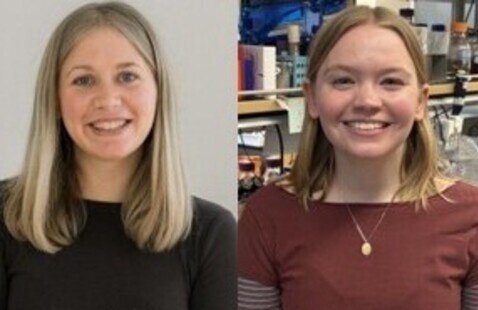
MCDB noon seminar will be presented by Jillian Herr and Margeaux Shelley from the Allyson O’Donnell Lab.
Friday, October 2, 2026
A219B Langley Hall
12:00PM EST
Titles and Abstracts
Jillian Herr
Title: Defining the signaling mechanisms of protein trafficking in 2-deoxyglucose-induced metabolic toxicity
Abstract: Cancer cells depend on rapid nutrient uptake through plasma membrane (PM) transporters. Many undergo the Warburg effect (shifting from aerobic respiration to aerobic glycolysis) making them heavily reliant on glucose due to reduced ATP generation per glucose molecule. This glycolytic dependence creates a therapeutic window, where cancer cells are metabolically distinct from healthy cells. 2-deoxyglucose (2DG), a toxic glucose analog that slows glycolysis, explodits this therapeutic vulnerability in cancer cells. 2DG has orphan drug status for treating glioblastomas, aggressive brain cancers with a median survival of 14.6 months post diagnosis. Despite clinical use, the full scope of 2DG’s cytotoxicity remains unclear. Earlier studies from our lab discovered that 2DG triggers rapid endocytosis of glucose transporters, starving cells of glucose. α-Arrestins, a dynamic and understudied class of trafficking adaptors, regulate this 2DG-induced enocytosis of glucose transporters. How widespread is 2DG-induced, alpha-arrestin-mediated endocytosis? We conducted a high-content imaging screen of all yeast PM proteins to identify which respond to 2DG and alpha-arrestins. Remarkably, nearly all amino acid transporters are rapidly removed from the PM and exhibit increased vacuolar trafficking upon 2DG treatment, consistent with elevated endocytosis. This suggested that 2DG-treated cells might also be starved for amino acids. Our data demonstrates that 2DG-induced endocytic remodeling depends on many α-arrestins, demonstrating that a widespread network of α-arrestins become activated by 2DG. We propose that this coordinated removal of nutrient transporters staves treated cells of both glucose and amino acids, metabolites critical for rapid cancer cell proliferation. What drives this widespread α-arrestin activation? 2DG is a known redox disruptor, yet only one mammalian α-arrestin has been shown to be redox regulated. We hypothesized that additional α-arrestins might share this regulatory feature, such that a shift in cellular redox status could trigger the coordinated release of inhibited α-arrestin pools and drive widespread endocytosis. Preliminary structural analyses reveal conserved features that may define redox regulation across additional α-arrestins, supporting this model. In addition, we are now testing whether these 2DG-dependent mechanisms, as defined in yeast, are conserved in mammalian systems for nutrient transporters. Together, these findings reframe 2DG's mechanism of action and open new avenues for understanding how targeting membrane trafficking could enhance its therapeutic efficacy.
Margeaux Shelley
Title: Mechanisms of α-arrestin-mediated trafficking in amino acid homeostasis and organelle dynamics
Abstract: The accumulation of excess amino acids within a cell can cause cytotoxicity. α-Arrestins regulate the endocytosis of amino acid transporters (AATs) from the plasma membrane (PM). In the absence of α-arrestins, AATs remain at the PM and can cause amino acid excess. Previous work found that cells lacking α-arrestin Art1 1) aberrantly retain Can1 and Lyp1, the AATs for Arg and Lys, at the PM, 2) have increased cellular Arg/Lys, and 3) that the increased Arg/Lys causes mitochondrial fragmentation, reduces mitochondrial membrane potential, and leads to enlarged, hyper-acidified vacuoles. My work defines the cellular pathways that manage Arg/Lys overload and the molecular drivers of these organelle changes. Transcriptomic profiling revealed that art1∆ cells upregulate both the arginine degradation pathway and the phosphate (PHO) regulon, which activates the vacuolar transporter chaperone (VTC) complex to synthesize polyphosphate. Elevated polyphosphate synthesis helps store basic amino acids in the vacuole, which may mitigate excess cytosolic Arg/Lys in art1∆ cells. Using targeted genetic deletions, I found that arginine degradation is essential for art1∆ cell survival, while loss of the PHO regulon and its downstream effectors has little impact, indicating this pathway is largely dispensable for managing Arg/Lys excess. Arg82, which has dual function as an arginine degradation and biosynthetic transcription factor and as an inositol phosphate multikinase (IPMK) that induces the PHO regulon, connects these two pathways. I show that the IPMK activity of Arg82 is not required for art1∆ survival, reinforcing arginine degradation as the critical adaptive response. Preliminary work in HEK293 cells expressing the tagged mammalian transporter CAT-1-HA-GFP shows that increasing Arg/Lys similarly enlarges lysosomes and reduces mitochondrial membrane potential, suggesting this response is conserved between yeast and mammals. Together, this work will clarify how cells sense and adapt to amino acid excess, with relevance to inherited amino acid disorders, cancer biology, and aging.
Please let us know if you require an accommodation in order to participate in this event. Accommodations may include live captioning, ASL interpreters, and/or captioned media and accessible documents from recorded events. At least 5 days in advance is recommended.
